Google Search is changing faster than ever. With AI-powered search experiences, evolving ranking systems, and new ways for users to discover information, businesses can no longer rely on outdated SEO tactics.
The good news is that SEO is not disappearing. Google’s latest guidance makes it clear that the fundamentals still matter: websites need to be technically accessible, useful, trustworthy, and genuinely valuable to users.
What Has Changed in Google Search?
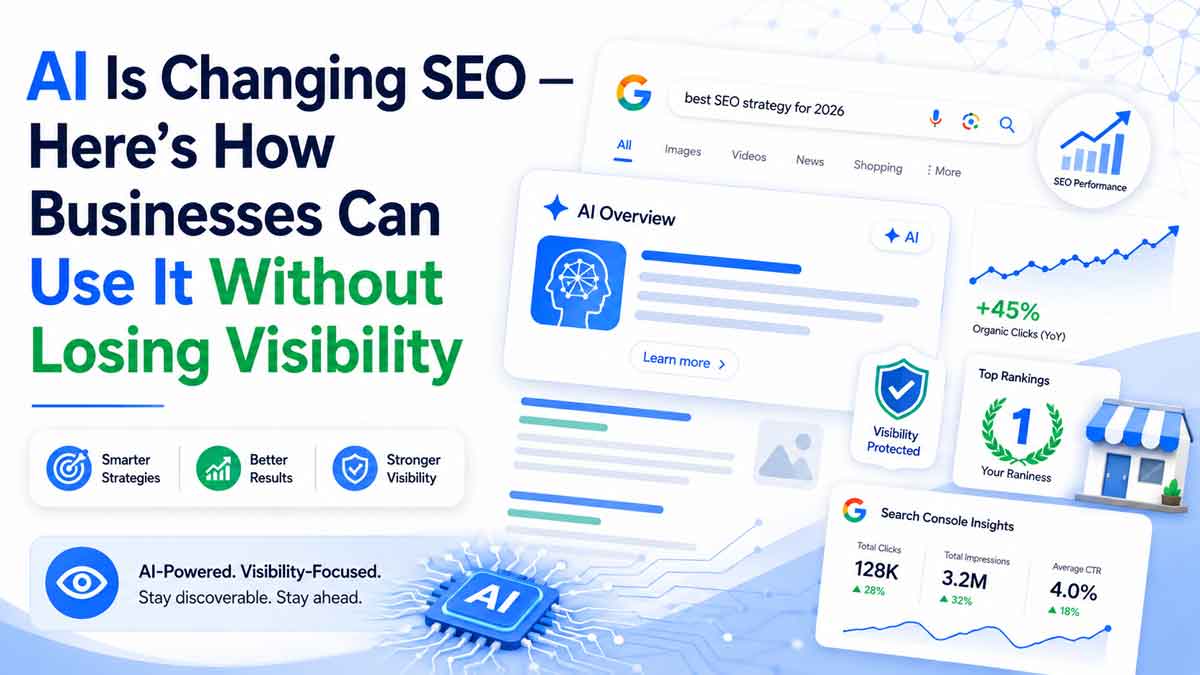
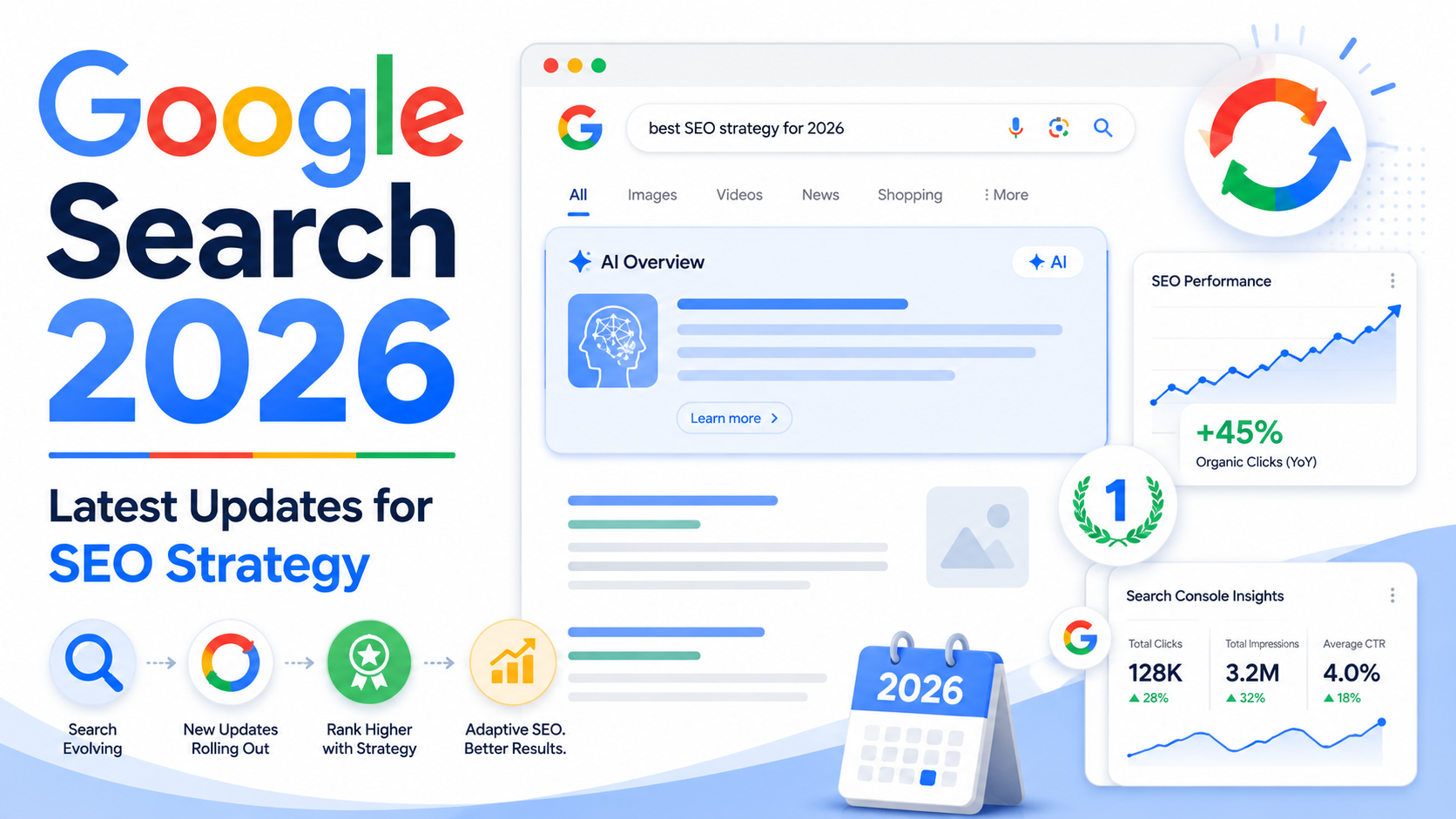
Google is increasingly combining traditional search results with AI-powered experiences. In 2026, Google introduced a more seamless AI Search experience connecting AI Overviews and AI Mode, giving users more ways to explore a topic without following the traditional search journey.
This means businesses need to think beyond simply ranking for a single keyword.
Your content needs to answer questions, demonstrate expertise, provide useful information, and give users a reason to visit your website.
SEO Is Still the Foundation
Google’s own guidance says SEO remains relevant for generative AI search because AI features are built on Google’s existing Search systems and indexed web content.
That means businesses should continue focusing on:
- Technical SEO and crawlability
- Helpful, original content
- Search intent
- Strong website structure
- Internal linking
- Relevant authority and mentions
- Local SEO and Google Business Profile
- Product and shopping information
- Image and video content
Stop Chasing Every Algorithm Update
A common mistake is changing an entire website whenever Google announces an update.
Instead, look at your website as a whole.
If traffic or rankings decline, investigate which pages were affected, whether competitors are providing better answers, and whether your content genuinely satisfies the user’s needs.
Google recommends evaluating content from a people-first perspective rather than reacting to individual ranking fluctuations.
AI Search Creates New Opportunities
Google now provides a dedicated Search Console report for visibility in generative AI features, including AI Overviews and AI Mode. This gives businesses another way to understand how their content is being discovered.
The opportunity is significant for businesses that create content with real expertise.
Instead of producing hundreds of generic pages, create fewer, stronger resources that answer the important questions your customers actually ask.
What Businesses Should Do Now
A modern SEO strategy should include:
1. Audit your website
Identify technical issues, weak pages, outdated content, and missed opportunities.
2. Revisit your keyword strategy
Focus on topics, search intent, commercial terms, and related questions—not just individual keywords.
3. Improve existing content
Add original insights, examples, data, FAQs, visuals, and information that competitors don’t provide.
4. Strengthen your brand authority
Build relevant mentions, links, reviews, digital PR, and genuine expertise around your business.
5. Optimize for multiple search experiences
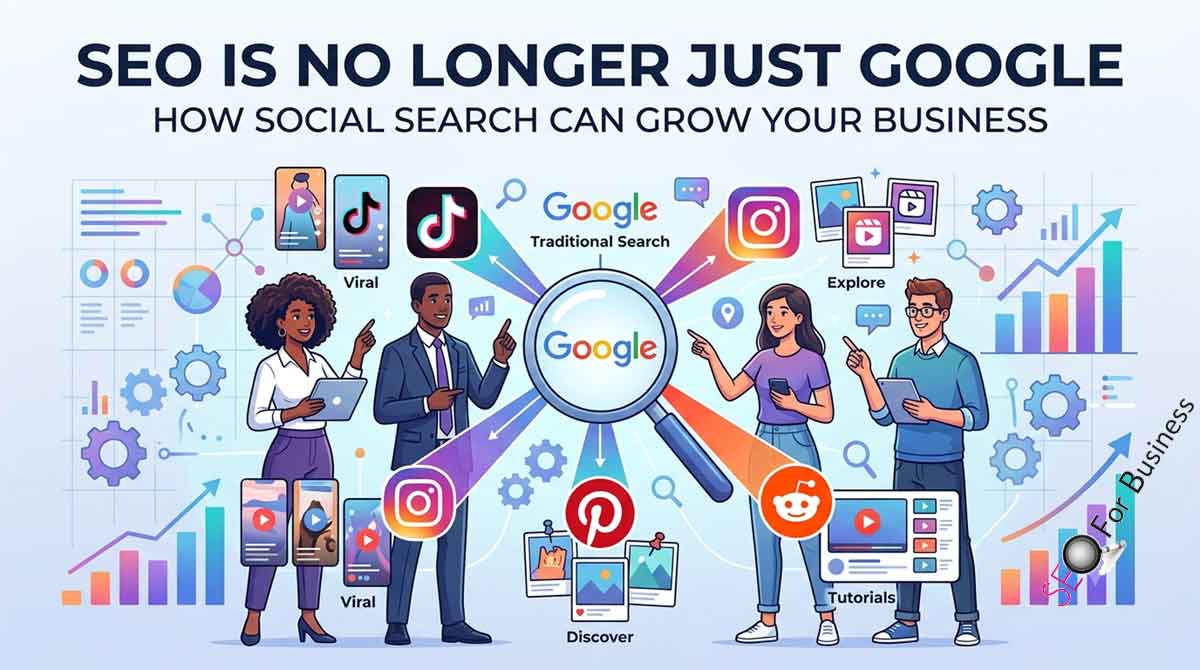
Think about Google Search, AI Search, Google Maps, YouTube, social search, and shopping platforms.
The Future of SEO Is Broader Than Rankings
SEO in 2026 is no longer just about getting a blue link at the top of Google.
It is about making your business discoverable wherever customers search, research, compare, and make decisions.
Businesses that combine technical SEO, valuable content, authority building, local visibility, AI-search readiness, and digital marketing will be better positioned for long-term growth.
The goal isn’t to chase Google’s next update.
The goal is to build a website and brand that remain valuable regardless of how search evolves.